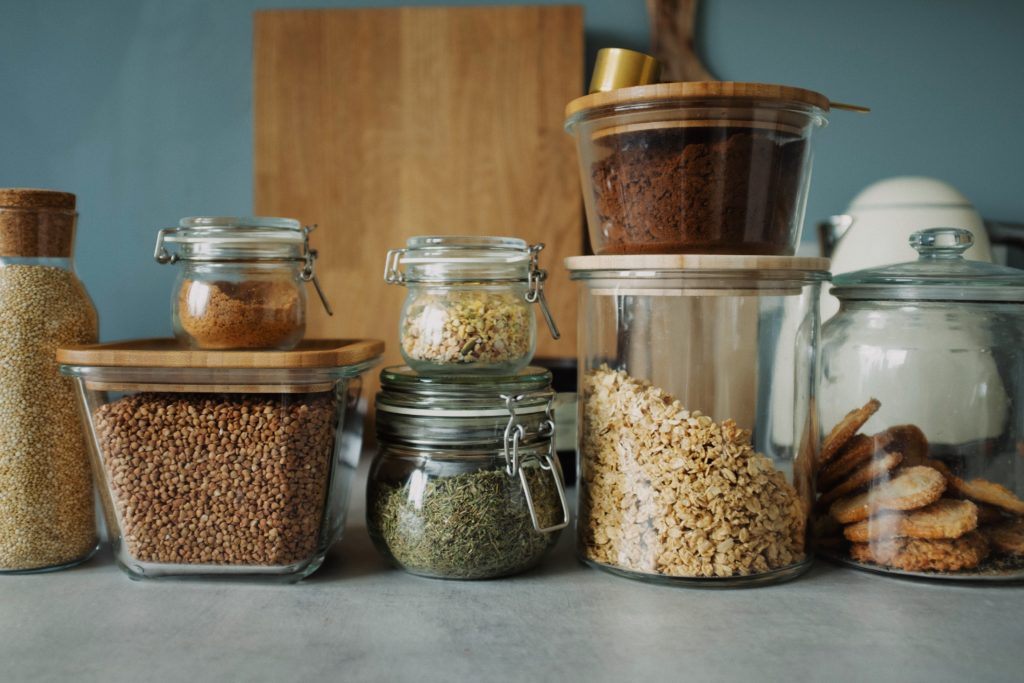
Sustainable Stacking: The Ultimate Guide to Eco-Friendly Food Storage
In a world of single-use plastics and mismatched cabinets, finding a sustainable rhythm in the kitchen can feel like a chore. However, transitioning to a streamlined, eco-friendly food storage system is one of the most impactful (and satisfying) swaps you can make.
By choosing durable, reusable materials like glass, high-quality plastic, and the ever-reliable mason jar, you aren’t just saving the planet—you’re saving your sanity. Here is how to build a kitchen storage collection that is as functional as it is green.
1. The Power of the “Single Brand” Strategy
We’ve all been there: digging through a dark cabinet, holding a rectangular container in one hand and three different circular lids in the other. It’s the ultimate kitchen frustration.
When building your collection, stick to one or two reliable brands.
- Interchangeable Lids: Many brands design their sets so that one lid fits multiple container depths. This eliminates the “Tupperware Tetris” and makes packing leftovers a five-second task.
- Better Organization: Same-brand containers are designed to stack and nest perfectly. This maximizes vertical space in your fridge and keeps your cabinets looking like a professional pantry.
- Consistency in Quality: You’ll know exactly how your containers perform in the freezer or microwave without checking the fine print every time.
2. The Materials: Glass, Mason Jars, and Reusable Plastic
An eco-friendly kitchen doesn’t have to be “plastic-free,” but it should be single-use free.
The Gold Standard: Glass & Mason Jars
Glass is 100% recyclable and can be reused indefinitely without losing its quality.
- Mason Jars: These are the unsung heroes of the sustainable kitchen. They are affordable, airtight, and perfect for everything from overnight oats to bulk dry goods and soups.
- Durability: Unlike plastic, glass won’t scratch, stain (goodbye, permanent spaghetti sauce rings!), or absorb odors.
- Safety: Glass is non-porous, meaning it won’t leach chemicals into your food, even when storing acidic sauces or high-heat leftovers.
The Practical Choice: High-Quality Reusable Plastic
Reusable plastic still has a place in an eco-friendly home, especially for on-the-go lunches where weight and breakability are concerns.
- Food Grade & BPA-Free: Always ensure your plastic containers are labeled Food Grade and BPA-Free. Bisphenol A (BPA) is a chemical used in some plastics that can mimic hormones in the body; choosing BPA-free ensures your family stays safe from these endocrine disruptors.
- Long Life Cycle: A high-quality, thick-walled plastic container can be used hundreds of times, preventing thousands of disposable bags or flimsy “takeout” containers from reaching the landfill.
3. Ease of Care: Is it Dishwasher Safe?
Sustainability only works if it fits your lifestyle. Thankfully, most modern eco-friendly options are designed for convenience.
- Glass & Mason Jars: These are almost universally dishwasher safe. Pro tip: Remove the rubber gaskets from lids occasionally to ensure a deep clean.
- Plastic Safety: While many “BPA-free” plastics are labeled dishwasher safe, it is often best to place them on the top rack only. The high heat from the bottom heating element in some dishwashers can cause plastic to warp over time, compromising the airtight seal.
- The “Heat” Rule: To extend the life of your plastic containers, avoid using the “high heat” or “sanitize” cycles, which can degrade the material faster.
The Bottom Line
Transitioning to an eco-friendly kitchen isn’t about being perfect; it’s about being prepared. By investing in a matching set of glass or food-grade plastic containers, you’re choosing a path that reduces waste, protects your health, and keeps your kitchen organized.