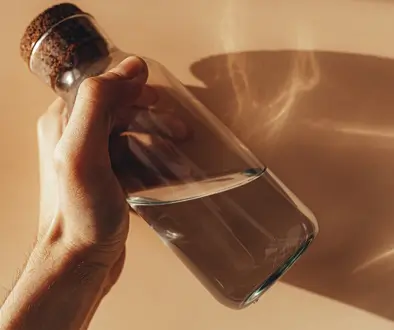
Clear Choice: Why Filtered Water Wins Over Bottled Every Time
We all know the feeling of grabbing a cold plastic bottle of water on a hot day. It’s convenient, sure—but that convenience comes with a heavy price tag for both your wallet and the planet. In 2026, with microplastic concerns rising and the cost of living climbing, there has never been a better time to ditch the “disposable” habit and embrace high-quality home filtration.
Here is why making the switch to filtered water is the ultimate eco-friendly power move.
The True Cost of Bottled Water
Most people are shocked to learn that bottled water can cost over 2,000 times more than tap water. While a gallon of filtered tap water costs just pennies, the same amount in individual bottles can easily exceed $10. For a family of four, switching to a home filtration system can save upwards of $1,400 per year.
Beyond the money, the environmental toll is staggering:
- Plastic Waste: Only about 30% of plastic water bottles are actually recycled. The rest end up in landfills or our oceans, where they take centuries to decompose.
- Carbon Footprint: The energy used to manufacture, transport, and refrigerate bottled water is immense.
- Microplastics: Recent studies show that bottled water often contains significantly more microplastic particles than filtered tap water due to the packaging process.
Simple Ways to Level Up Your Tap
You don’t need a professional plumbing degree to start drinking better water today. There are solutions for every budget and home setup.
1. The Starter Kit: Pitchers and Dispensers
A Brita filter water kit or a similar pitcher system is the easiest entry point. These use activated carbon to reduce chlorine, lead, and mercury, instantly improving the taste and smell of your water. They support long lasting water filters that don’t need to be changed as frequently.
- Pro Tip: To keep costs even lower, look for reputable non-name brand filters. Many third-party filters are NSF-certified and fully compatible with name-brand pitchers and refrigerators for a fraction of the price.
2. The Fridge Connection
If your refrigerator has a built-in dispenser, you already have a high-tech filter at your fingertips. The key is regular maintenance. Most manufacturers recommend replacing the filter every six months to prevent bacteria buildup and ensure optimal flow.
3. Water Cooler
For those who love the convenience of a standalone dispenser but hate the “bottle juggle,” a bottleless water cooler (also known as a point-of-use dispenser) is a game-changer. These sleek units connect directly to your home’s existing cold water line—similar to how your refrigerator’s ice maker is hooked up—providing an endless supply of crisp, filtered water without ever needing a delivery truck. By removing the need for 5-gallon jugs, you eliminate the physical strain of lifting 40-pound bottles and free up valuable floor space in your pantry or kitchen. Maintenance is a breeze, usually requiring just a simple twist-and-lock filter replacement every six to twelve months, ensuring your water stays fresh and your eco-friendly footprint stays small.
4. Advanced Solutions for “Hard” Water
If your tap water has a particularly strong metallic taste or sulfur smell, a basic pitcher might not cut it.
- Reverse Osmosis (RO) Kits: These systems use a semipermeable membrane to remove up to 99% of contaminants, including fluoride, arsenic, and nitrates. You can install an under-sink kit or buy a standalone countertop RO system that requires zero plumbing.
- Water Delivery Services: If you prefer the taste of spring water, consider a water delivery service that uses 5-gallon reusable glass or BPA-free plastic carboys. This eliminates single-use waste while providing premium-quality hydration.
Making it Last
The most sustainable system is the one you actually use. Whether it’s a simple pitcher in the fridge or a high-tech RO system under the sink, the goal is to make clean, delicious water so accessible that you never feel the need to reach for a plastic bottle again.